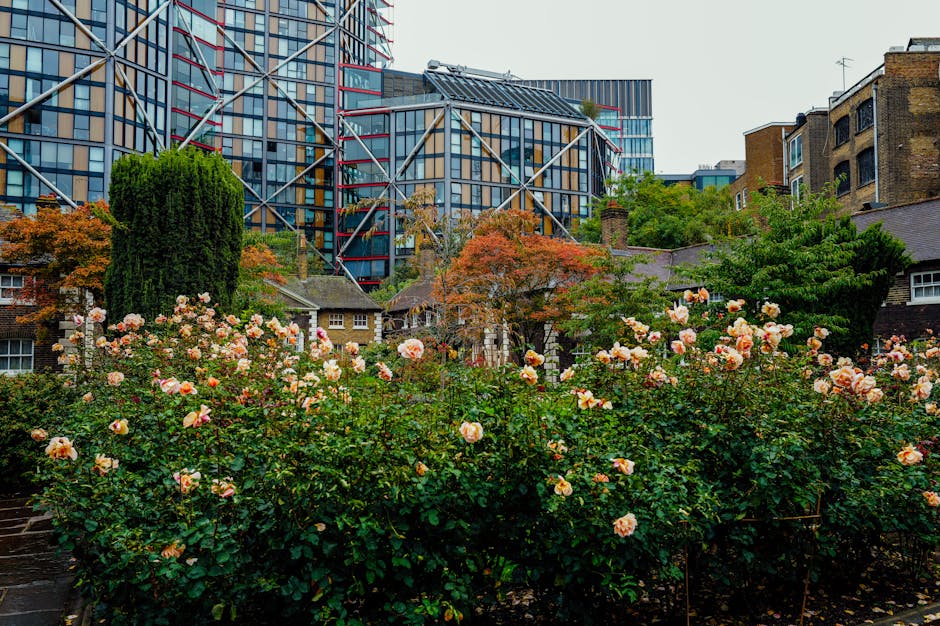
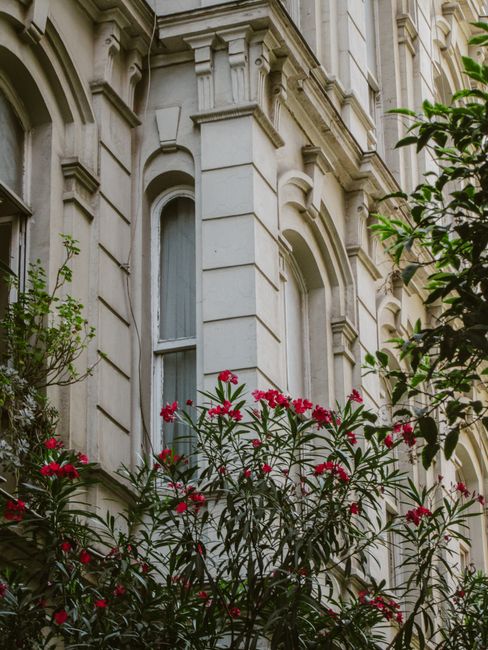
Holborn gardeners guide to Grays Inn Road garden maintenance
If you manage a garden on or near Grays Inn Road, you already know it is not the same as maintaining a roomy suburban plot. Space is tighter, access can be awkward, shade is common, and one wet week can make everything feel a bit untidy at once. This Holborn gardeners guide to Grays Inn Road garden maintenance is written for exactly that reality: compact London gardens, shared boundaries, mixed light, and the kind of upkeep that needs to be calm, regular, and well planned.
In practice, good maintenance is less about dramatic makeovers and more about consistency. A few well-timed jobs can keep paving safer, planting healthier, hedges neater, and the whole outdoor space looking cared for rather than constantly recovering. Let's face it, a small garden in central London can turn from polished to unruly very quickly if nobody stays ahead of it.
Below, you will find a practical guide to what maintenance usually involves, how to approach it season by season, which services are worth prioritising, and where local gardeners can add real value. You will also find a checklist, a comparison table, and a few useful links to related guidance if you want to go deeper into specific parts of the job.
Table of Contents
- Why Holborn gardeners guide to Grays Inn Road garden maintenance Matters
- How Holborn gardeners guide to Grays Inn Road garden maintenance Works
- Key Benefits and Practical Advantages
- Who This Is For and When It Makes Sense
- Step-by-Step Guidance
- Expert Tips for Better Results
- Common Mistakes to Avoid
- Tools, Resources and Recommendations
- Law, Compliance, Standards, or Best Practice
- Options, Methods, or Comparison Table
- Case Study or Real-World Example
- Practical Checklist
- Conclusion
- Frequently Asked Questions
Why Holborn gardeners guide to Grays Inn Road garden maintenance Matters
Grays Inn Road sits in a part of London where gardens often have to work harder than they look. They may be tucked behind terraces, squeezed into courtyards, or exposed to dust, shade, wind funnels, and constant foot traffic. That means maintenance is not just cosmetic. It affects safety, plant health, privacy, and how usable the space feels day to day.
Regular garden care helps you avoid the classic central-London cycle: weeds take hold, paving gets slippery, hedges bulk out, and the planting bed starts to look tired all at once. When that happens, the clean-up is more expensive and more disruptive. A modest monthly routine is usually far easier than a major rescue later on.
There is also a property value angle, though not in a flashy way. A tidy, well-managed garden supports the feel of the home. It suggests care, attention, and good upkeep. Even if you only use the outdoor area for a morning coffee or an evening breath of air, it still matters. You notice it every time you step outside.
For many residents, the key issue is time. London life is busy, and gardens near Grays Inn Road can become one of those tasks that gets bumped down the list. That is where a reliable local maintenance plan helps. It breaks the work into manageable jobs and keeps the garden from becoming a "this weekend, definitely" project that never quite happens. We have all seen that one.
How Holborn gardeners guide to Grays Inn Road garden maintenance Works
Garden maintenance works best when it follows a simple rhythm: inspect, tidy, protect, and improve. That sounds basic, but it is the structure that stops small issues becoming bigger ones. In a compact urban garden, you usually want the eye-catching jobs and the health-focused jobs to happen together, not as separate plans.
Typically, a maintenance visit or programme will cover some combination of pruning, deadheading, weeding, lawn care, hedge trimming, sweeping, edging, feeding, and clearing. Depending on the space, it may also include pressure or patio cleaning, seasonal planting, container refreshes, and small repairs. If the garden has mature trees or overgrown climbers, specialist support may be needed too.
It helps to think in layers:
- Surface care: sweeping, clearing debris, washing paths, and keeping access safe.
- Plant care: pruning, feeding, watering, staking, and disease checks.
- Boundary care: hedge trimming, climber control, and fence checks.
- Seasonal care: mulching, frost protection, leaf clearance, and replanting.
That layered approach is particularly useful in Holborn, where one side of a garden might be in heavy shade while another gets reflected heat from brick walls. A one-size-fits-all approach simply does not hold up. A good gardener will read the space, not just the calendar.
If you are considering help beyond routine maintenance, it can be useful to explore broader gardening services or a more tailored garden maintenance plan. For especially unruly hedges, a focused hedge trimming in Holborn service may make the biggest difference very quickly.
Key Benefits and Practical Advantages
The most obvious benefit is appearance, but that is only part of the story. Good maintenance makes a garden easier to use, safer underfoot, and more resilient through the seasons. In a small urban setting, those benefits stack up fast.
Cleaner access and fewer slip hazards. Fallen leaves, algae on paving, and soil spill can create a messy or slippery surface before you realise it. Routine tidying reduces that risk and keeps paths pleasant to walk on.
Healthier plants. Pruning at the right time, feeding appropriately, and checking for pests or mildew all support stronger growth. It is often the small, boring jobs that keep a garden lively.
Better use of limited space. Around Grays Inn Road, outdoor areas are often compact, so every square metre matters. A well-maintained garden can feel twice as useful because nothing is overgrown, blocked, or wasted.
More privacy. Neatly managed climbers, hedges, and screens can soften overlooked boundaries without making the space feel boxed in. If privacy is a concern, related reading such as fast-growing privacy hedges can help with planting ideas.
Lower long-term cost. Regular maintenance usually costs less than repeated rescue work. That is true for weeds, damaged planting, mossy paving, and hedges that have been left too long. Truth be told, neglect has a way of charging interest.
Better seasonal resilience. London weather can swing from damp and grey to unexpectedly hot and dry. Well-maintained borders and planting beds cope better with those shifts, especially when paired with sensible watering and mulching.
Expert summary: For Grays Inn Road gardens, the winning formula is not "more effort all at once." It is steady, context-aware maintenance that matches the scale of the space and the way the property is actually used.
Who This Is For and When It Makes Sense
This kind of maintenance guide is useful for a few different people, and not all of them are keen gardeners. Some are busy homeowners who simply want the space to look respectable without spending entire Saturdays on it. Others are landlords or property managers who need outdoor areas to stay presentable between tenancies. Then there are tenants with small terraces or courtyards who want the garden to feel like a bonus rather than a burden.
It also makes sense for anyone dealing with one of the common local garden issues:
- heavy shade from nearby buildings or trees
- fast weed regrowth in paved edges and beds
- containers that dry out or look patchy
- hedges that need shaping for light and privacy
- ivy or climbers that have started to overrun walls
- patios that collect grime and algae
If your garden has a lot of vertical surface to manage, you may also find the article on using vertical spaces in smaller gardens especially helpful. And if ivy is quietly winning the battle, the guide on long-term ivy control is a solid companion read.
When does it make sense to call in a professional? Usually when the work is repetitive, time-sensitive, awkward to access, or beyond a simple tidy-up. If you are spending every other weekend doing the same weeding and clipping, a proper maintenance schedule can feel like a relief, not a luxury.
Step-by-Step Guidance
Here is a practical way to approach garden maintenance near Grays Inn Road without overcomplicating it. It is not fancy, but it works.
- Walk the garden slowly. Start with a full visual inspection. Look for weeds, broken stems, dead leaves, compacted soil, blocked drains, moss, and anything leaning or overgrown.
- Clear the obvious debris first. Pick up fallen twigs, sweep paving, and remove anything that could rot, stain, or become slippery. This one step makes the whole space feel instantly better.
- Deal with weeds before they seed. The earlier you remove them, the less work you create for yourself. For recurring trouble spots, the advice in these weed control tips is practical and easy to apply.
- Prune with purpose. Cut back dead, damaged, or crossing growth. Keep an eye on shape, airflow, and access. A hedge that is too wide can make a small garden feel cramped very quickly.
- Refresh soil and mulch. Add organic matter where beds are tired. A thin mulch layer helps retain moisture and suppress weeds. There is a useful related article on turning garden waste into rich soil if you want to improve your soil structure naturally.
- Check containers and planters. Pots dry out faster than ground beds, so inspect compost, drainage, and plant health. If container planting is part of your garden, container gardening ideas can help you make better use of limited space.
- Clean hard surfaces. Patios, steps, and paths benefit from regular cleaning because grime builds quietly. If the paving is looking tired, a dedicated patio cleaning service can restore the surface without you having to scrub for ages.
- Finish with an honest review. Ask: what still looks off? What will look off again in two weeks? That answer tells you what to put into the next visit.
A small note from real life: the gardens that look the calmest are usually the ones that have the least drama behind the scenes. Nothing magical, just regular attention and a bit of good judgement.
Expert Tips for Better Results
If you want better results from garden maintenance on Grays Inn Road, think in terms of prevention rather than correction. That is where the real gain sits.
Work with the garden's light. Many central London gardens are shade-prone. Choose plants that are comfortable in lower light rather than trying to force sun-lovers into the wrong spot. If you have a shaded boundary, the article on evergreen climbers for shade is a very sensible place to start.
Use plant layers wisely. Low ground cover, mid-height planting, and a few vertical elements can make a tiny outdoor space feel fuller without becoming cluttered. The guide to ground cover solutions is especially useful if bare soil and weed pressure are a recurring issue.
Keep hedges within their useful size. Hedges are brilliant for structure, but only if they stay manageable. Once they start blocking light or crowding walkways, they become more of a problem than a feature. For that reason, a professional hedge trimming Holborn visit can be one of the highest-value maintenance jobs.
Do not ignore weather exposure. Wind can scorch leaves, loosen pots, and dry out exposed borders fast. If your garden sits in an open pocket or gets gusts down the side return, some windproof gardening techniques can save a lot of stress later.
Keep a small toolkit ready. When the tools are handy, jobs actually get done. That sounds obvious, yet it is often the reason maintenance slips. A clean pair of secateurs, a hand fork, a sturdy broom, and a watering can are often enough to keep a compact garden under control.
Plan for the season, not just the weekend. A late autumn clean-up, a spring refresh, and a summer moisture check can prevent those nasty surprises when the weather turns. You do not need a grand plan. Just a decent one.
Common Mistakes to Avoid
Most garden problems near Grays Inn Road are not caused by one big error. They come from lots of small ones stacking up. A few of the most common are worth flagging.
- Letting weeds mature. Once they seed, the job becomes harder next time.
- Over-pruning at the wrong time. Some plants cope badly with heavy cutting, especially if they are already stressed.
- Using the same plan for sun and shade. London gardens often contain both, sometimes only a few steps apart.
- Ignoring patios and paths. A neat border next to a dirty slab just looks unfinished.
- Forgetting drainage and runoff. Wet corners, blocked grates, and compacted beds can quietly damage the whole space.
- Planting for a brochure rather than the site. Pretty plants are great, but only if they can survive the actual conditions.
Another sneaky mistake is trying to do everything in one burst. It feels productive, sure. But on a small urban site, rushed work often means missed weeds, uneven edges, and plant damage from careless treading. Better to do less, properly.
Tools, Resources and Recommendations
You do not need a van full of kit to keep a garden in shape. In many Grays Inn Road gardens, the best maintenance results come from a modest set of tools used often and well.
| Tool or Resource | Best Use | Why It Helps |
|---|---|---|
| Secateurs | Light pruning and deadheading | Keeps growth neat without damaging stems |
| Hand fork | Weed removal and soil aeration | Useful in beds, borders, and containers |
| Stiff broom | Patios, paths, and decking | Stops debris from building up after rain or leaf fall |
| Mulch or compost | Soil improvement and moisture retention | Supports healthier plants and fewer weeds |
| Watering can or hose with control | Targeted watering | Helps avoid waste and uneven watering |
| Professional maintenance plan | Regular upkeep and seasonal jobs | Best for busy households, landlords, and larger upkeep needs |
If you are building out your maintenance strategy, it can also help to look at broader seasonal inspiration such as essential gardening tips, winter plant protection, and tools that make outdoor care easier.
For more substantial work, especially where access is awkward or a garden needs a fuller refresh, it is sensible to look at landscaping support or a broader garden service. And if the area is being transformed from tired to tidy, the guide on launching a garden makeover offers good context.
Law, Compliance, Standards, or Best Practice
For most domestic garden maintenance, there is no complex legal maze to navigate. Still, there are sensible standards and best practices that responsible gardeners follow, especially in built-up areas like Holborn.
Safe working practices matter. Tools should be used carefully, and work areas should be left clear enough for residents and visitors to move safely. If a service provider is working on site, good communication, tidy set-up, and safe handling of waste are all part of professional practice.
Tree and hedge work should be approached with care. If a tree is substantial, damaged, or close to buildings, it may need specialist attention. That is where tree surgery becomes relevant, rather than ordinary pruning.
Access, boundaries, and neighbour relations. In close London streets, overhanging growth, trailing climbers, and boundary hedges can quickly affect neighbouring properties. A careful gardener will trim responsibly and avoid creating avoidable friction. That part is simple, but it matters.
Health, safety, and peace of mind. If you are hiring help, it is fair to expect a sensible approach to safety and transparent working methods. The site's health and safety policy and insurance and safety information are useful pages to review when choosing a provider. If you ever need to raise a concern, the complaints procedure and terms and conditions are worth reading too.
On the customer side, practical trust points also include payment and security, privacy policy, cookie policy, and the company's about us information. None of that replaces good garden work, obviously, but it does help you choose with confidence.
Options, Methods, or Comparison Table
When you are deciding how to maintain a garden near Grays Inn Road, the main question is usually not whether to maintain it, but how hands-on you want to be. Here is a simple comparison.
| Approach | Best For | Strengths | Trade-Offs |
|---|---|---|---|
| DIY weekly upkeep | Very small gardens and confident owners | Low cash cost, full control, easy to spot issues early | Time-consuming, easy to skip, can feel endless in busy periods |
| Monthly gardener visit | Busy households or modest gardens | Balanced cost and consistency, keeps growth in check | Some jobs may still need attention between visits |
| Seasonal tidy and reset | Gardens that only need periodic correction | Good for spring and autumn clean-ups | Less effective for fast-growing, high-pressure spaces |
| Full maintenance programme | Landlords, managed properties, and planted spaces with more complexity | Most reliable, best presentation, fewer surprises | Higher ongoing commitment, but often worth it |
In our experience, the best option is the one you can sustain. A perfect plan you never stick to is worse than a modest one you actually keep up. Annoying, but true.
Case Study or Real-World Example
Imagine a small back garden off Grays Inn Road: one side is shaded by brick walls, one corner holds three containers, and a narrow patio leads to the rear entrance. The owner likes plants but only has time for ten minutes here and there. After a damp spell, moss starts forming on the paving, a climber gets loose, and weeds appear around the pot bases.
Rather than treating it as one huge job, a gardener breaks it into phases. First, the patio is cleared and cleaned. Then the climber is cut back and trained properly so it stops crowding the window. The containers are refreshed with new compost and better-matched plants for shade. Finally, a weed suppression layer and mulch are added to the beds.
The result is not a dramatic "before and after" movie scene. It is better than that. The garden feels calmer, safer, and much easier to look after. The owner can keep it in shape with small weekly jobs, rather than chasing it every month. That is the real win.
If the same garden had a stubborn hedge boundary or a bulky fence line, then the maintenance plan might also include fencing support or more targeted lawn care if turf were part of the layout. Different space, different rhythm. Simple as that.
Practical Checklist
Use this checklist to keep your Grays Inn Road garden maintenance focused and realistic.
- Remove litter, fallen leaves, and dead plant material
- Check paving, steps, and paths for moss or slippery patches
- Pull weeds before they flower or seed
- Prune dead, damaged, or overcrowded growth
- Trim hedges before they start blocking light or access
- Water containers and hanging plants more carefully than beds
- Refresh compost or soil where planting looks tired
- Inspect climbers, trellises, and wall growth for overrun
- Feed plants according to the season and the plant type
- Schedule patio or hard-surface cleaning when grime builds up
- Review what needs attention in the next four weeks
If you want a broader approach to making upkeep easier, the article on simplifying maintenance needs is a sensible companion piece.
Get a free quote today and see how much you can save.
Conclusion
Good garden maintenance on Grays Inn Road is really about keeping control of the details before they become bigger jobs. In a compact Holborn setting, that means making the most of shade, staying on top of weeds, trimming with care, and treating hard surfaces as part of the garden rather than an afterthought.
The best results usually come from a practical, regular routine rather than occasional heroics. A well-kept garden does not need to shout. It just needs to feel ordered, usable, and looked after. That is enough to change the whole mood of the space.
If you are planning a refresh, trying to keep growth under control, or simply want a hand with the jobs that keep slipping down the list, take the next step when you are ready. The garden will thank you for it, quietly at first, then all at once.
Frequently Asked Questions
What does garden maintenance usually include for a Grays Inn Road property?
It usually includes weeding, pruning, hedge trimming, sweeping, deadheading, seasonal planting, lawn care where relevant, and basic cleaning of patios or paths. The exact mix depends on the size and condition of the garden.
How often should a small urban garden in Holborn be maintained?
For most small gardens, a light weekly or fortnightly tidy plus a more thorough monthly visit is enough. Heavily planted or fast-growing spaces may need attention more often during spring and summer.
Why is garden maintenance more difficult in central London areas?
Space is usually limited, access can be awkward, and shade or wind can make plant care less predictable. Add busy schedules and nearby buildings, and the garden can change quickly if it is left alone.
Is patio cleaning part of regular maintenance?
It can be. Many gardens benefit from periodic cleaning because moss, algae, and surface grime build up quietly. If paving has become dull or slippery, patio cleaning is a smart add-on.
What is the best time of year for hedge trimming?
That depends on the hedge type and the result you want, but many hedges benefit from regular shaping during the growing season. A local gardener can judge timing so the hedge stays healthy and useful.
Can a gardener help if my garden is mostly shaded?
Yes. Shade is common in Holborn and near Grays Inn Road, and there are plenty of plants and maintenance approaches that work well in low light. The key is choosing the right planting and not forcing sun-loving species into the wrong spot.
What should I look for in a reliable gardener?
Look for clear communication, sensible safety practices, relevant experience, and a maintenance plan that fits your space. It also helps if they can explain what will be done, how often, and why.
Do I need landscaping, or is maintenance enough?
If the space is already functional and just needs regular care, maintenance is often enough. If the layout is awkward, the planting is failing, or the garden needs a structural refresh, landscaping may be the better next step.
How do I stop weeds from coming back so quickly?
Remove them early, improve soil coverage with mulch or ground cover, and keep edges tidy. Weed control is much easier when it is part of a routine rather than an emergency response.
Can garden maintenance include work on containers and planters?
Absolutely. Container gardening needs regular checking because pots dry out, compact, or become overcrowded faster than ground beds. Refreshing compost and rotating plant choices can make a big difference.
What if my garden has ivy or climbers taking over a wall?
That is a common issue in city gardens. The fix is usually a careful reduction, better training, and a longer-term plan so the growth stays attractive without damaging the structure. Sometimes specialist advice is the safest route.
How do I get a quote without committing to a full service?
Start with a simple enquiry and describe the size of the garden, the main problems, and how often you want work carried out. If you want to speak directly, you can use the site's contact page to begin the conversation.