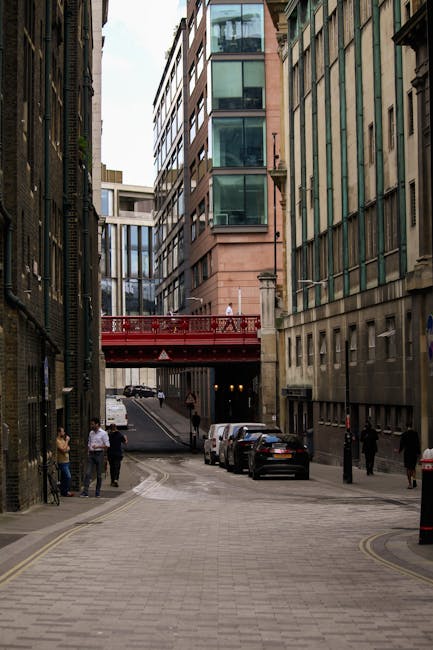
Holborn gardeners for WC1 terraces near Holborn Station: a practical guide to making small outdoor spaces work beautifully
Terrace gardening in WC1 is a very particular challenge. You may have just enough space for a morning coffee, a few planters, and not much else - yet you still want the place to feel calm, tidy, and genuinely alive. That is exactly where Holborn gardeners for WC1 terraces near Holborn Station earn their keep. They understand tight access, wind funnels, shade from neighbouring buildings, and the constant balancing act between style and maintenance. In a busy part of London, that matters more than people think.
This guide breaks down how terrace-focused gardening works, what to expect, and how to choose a sensible approach for a compact Holborn outdoor space. If your terrace has become a patchwork of tired pots, stubborn weeds, and half-finished ideas, you are in the right place. Let's make it simpler.
Why Holborn gardeners for WC1 terraces near Holborn Station Matters
Terraces near Holborn Station are not broad suburban gardens with generous borders and room for trial and error. They are compact, exposed, often overlooked by adjoining buildings, and usually expected to do a lot: look good, feel private, survive wind, and stay manageable for people with busy schedules. A generic gardening approach often falls short because it ignores those realities.
In practice, terrace gardening in this part of central London is about editing, not expanding. You are working with vertical space, containers, seating zones, and a limited planting palette. You also need to think about how water drains, where sunlight actually lands during the day, and whether the terrace gets harsh afternoon gusts or cold winter shade. That is the difference between a space that merely exists and one that you genuinely use.
To be fair, the best WC1 terraces usually do not try to look like miniature country gardens. They lean into what they are: elegant, efficient, and personal. A good local gardener will know how to bring order to the space without making it feel stiff or overdesigned. That balance is the point.
Expert summary: On Holborn terraces, success usually comes from three things: choosing the right plants, using containers and vertical structure well, and planning maintenance around how you actually live, not how a garden brochure looks.
How Holborn gardeners for WC1 terraces near Holborn Station Works
A terrace gardening project usually starts with a close look at the space itself. Not a casual glance. A proper assessment. Good gardeners will consider access routes, sunlight, drainage, privacy lines, storage options, and the condition of existing hard landscaping such as paving, steps, or decked areas. On a compact Holborn terrace, those details shape everything that follows.
From there, the work tends to move in stages:
- Assessment: Understanding exposure, aspect, soil depth, container condition, and how the space is used.
- Clear-out: Removing dead growth, sorting out weeds, and deciding what is worth keeping.
- Structure: Introducing planters, screening, trellis, climbing support, or clean-edged layout zones.
- Planting: Choosing plants that suit shade, wind, container life, and maintenance expectations.
- Finishing: Mulching, feeding, tidying edges, and making sure the space is easy to maintain.
- Ongoing care: Setting a realistic schedule for pruning, watering, deadheading, and seasonal refreshes.
On smaller terraces, every choice has a knock-on effect. A tall container might create privacy, but if it blocks light it can also make the whole area feel shut in. A dense evergreen can help with screening, but if it is in the wrong spot it may dominate the space. This is why local judgement matters. You want someone who can look at a terrace and see the actual lived experience, not just the planting plan.
There is also a practical side to access. Holborn properties can be awkward to service, with narrow stairways, shared entrances, or tight side routes. That can affect what equipment is realistic, how materials are moved, and how quickly work can be completed. None of this is glamorous, but it matters a lot on the day.
Key Benefits and Practical Advantages
A professionally managed terrace can do more than look neat. The benefits are everyday and noticeable. You open the door, and the space feels calmer. You step outside and actually want to stay there for ten minutes. That is not a small thing in central London.
- Better use of limited space: Good layout turns awkward corners into useful zones.
- Improved privacy: Screening plants, hedges in containers, and vertical structures help soften overlooking.
- Lower maintenance stress: A sensible planting scheme reduces the constant "what now?" feeling.
- Weather resilience: Stronger plant choices and better container placement help in exposed conditions.
- Cleaner presentation: Tidy paving, grouped pots, and sharp edges make the whole terrace feel intentional.
- More year-round appeal: Evergreen structure keeps the space from looking empty in winter.
There is also a subtle mental benefit. Compact outdoor spaces can feel messy very quickly, and clutter breeds avoidance. Once a terrace is organised, it becomes easier to use, easier to care for, and oddly enough, easier to enjoy. You notice the small things again - the texture of foliage, the sound of water in a pot saucer after rain, the way evening light lands on a chair.
If you are looking for ideas that fit this kind of space, practical reading can help too. Topics like container gardening and using vertical space effectively are especially relevant for WC1 terraces.
Who This Is For and When It Makes Sense
This service and approach make sense for a wide range of people, but the common thread is simple: you have a terrace, it needs attention, and you do not want a full-scale overhaul every month just to keep it respectable.
It is particularly useful if you are:
- a flat owner or tenant with a terrace near Holborn Station
- a busy professional who wants the space to stay attractive without constant effort
- a landlord preparing a WC1 property for viewings or new occupants
- someone who has inherited an outdoor area that feels unfinished or overgrown
- a homeowner looking to add privacy, planting, or a seating area
- someone trying to make a small terrace more useful for dining, reading, or entertaining
It also makes sense when the space has one or more of these problems: weak drainage, shallow containers, poor-quality soil, awkward shade, exposed wind, ivy taking over, or a layout that feels improvised. Those are the classic terrace headaches. The good news? Most are fixable. Not always quickly, but fixable.
If the terrace is mostly hard landscaping, you may find the wider service set useful too. Pages such as gardening services, garden maintenance, and patio cleaning cover different sides of the same job: keeping a small outdoor space looking cared for rather than merely occupied.
Step-by-Step Guidance
Here is a straightforward way to approach a WC1 terrace project without getting overwhelmed.
1. Start with a real reset
Clear away broken pots, tired annuals, dead leaves, and anything that has clearly been hanging on out of habit. It sounds obvious, but a cluttered terrace makes every other decision harder. Once the space is cleared, you can see what is actually there.
2. Map sun, shade, and wind
Spend a little time noticing where the light falls in the morning and later in the day. A terrace that looks bright at 9 a.m. may be shaded by 2 p.m. Wind is just as important. Holborn roofs and upper-storey terraces can be surprisingly blustery. Some corners might need shelter, while others can support more robust planting.
3. Decide on the main purpose
Do you want a dining area, a quiet reading space, more privacy, or a planting-led retreat? You can do all four to a point, but one purpose should lead the design. That decision keeps you from buying things that do not really belong.
4. Build the structure first
Before adding lots of plants, think about the bones of the terrace: planters, screens, trellis, raised containers, seating, and pathways. On compact spaces, structure matters more than people expect. It is the difference between a terrace that feels coherent and one that feels like a garden centre exploded.
5. Choose plants for the conditions, not just the look
This is where people often go wrong. A beautiful plant that hates wind, shallow soil, or shade will become a source of regret. For example, if you need year-round screening, evergreen climbers or carefully chosen hedges in pots may be more useful than fragile flowering species. For softer ground-level coverage, some garden ground cover solutions can help reduce bare patches and keep the overall look calmer.
6. Finish with maintenance planning
Every terrace needs some maintenance, even low-maintenance ones. Decide what happens weekly, monthly, and seasonally. That way the space does not slowly slide back into chaos. And yes, it does happen quickly if nobody is keeping an eye on it.
Expert Tips for Better Results
Good terrace gardening is part design, part restraint. A few experienced habits can make a big difference.
- Use repetition: Repeating planter shapes or two or three plant types creates calm.
- Think in layers: Ground level, mid-height planting, and vertical structure give depth without clutter.
- Prefer evergreen structure: It keeps the terrace looking deliberate in colder months.
- Protect the root zone: Pots dry out quickly, especially in wind. Mulch and sensible composting help.
- Work with the seasons: Swap out tired displays instead of forcing the same planting all year.
- Keep access easy: If pots are too heavy or tightly packed, watering becomes a chore.
A small but useful detail: bigger containers often perform better than tiny ones, because they hold moisture more reliably and give roots more room. That said, there is a limit. Too many oversized planters on a narrow terrace can make it feel boxed in. So the answer is not "go bigger" every time. It is "go appropriate".
For privacy and screening, helpful reading includes fast-growing hedge ideas for privacy and evergreen climbers for difficult spots. Those ideas are especially handy when neighbouring windows are close, which in central London, they often are.
And if you want something a little more lifestyle-led, a terrace can also be designed as a seating space. A well-planned corner bench, a pair of compact chairs, or a simple dining set can make the whole thing feel more "room" than "outdoor leftover".
Common Mistakes to Avoid
Most terrace problems are predictable once you have seen a few of them. Here are the ones that come up again and again.
- Ignoring wind: Delicate plants and lightweight furniture can suffer badly on exposed terraces.
- Overcrowding pots: Too many containers make maintenance harder and reduce usable space.
- Choosing plants for the label, not the conditions: A pretty plant is still a bad choice if it hates the site.
- Forgetting drainage: Waterlogged containers can damage roots and stain hard surfaces.
- Using too many mismatched materials: The terrace starts to feel messy instead of curated.
- Leaving ivy or climbers unmanaged: What starts as green charm can become a real nuisance.
There is one more common issue: trying to make the terrace solve every problem at once. Privacy, storage, seating, pollinators, herbs, dog-friendliness, drama, and zero maintenance. Bit much, really. A better result comes from setting priorities and letting the design breathe.
If weeds or invasive growth are already a headache, it is worth looking at targeted help such as strategic weed control approaches and long-term ivy removal solutions. Those problems do not disappear on their own. Unfortunately.
Tools, Resources and Recommendations
A compact terrace usually benefits from a smaller, smarter toolkit rather than a shed full of gadgets. Good essentials include the basics for watering, cutting, feeding, and cleaning. Nothing flashy.
- Watering can or hose setup: Choose something practical for your access and layout.
- Hand pruners and secateurs: Useful for trimming, deadheading, and light shaping.
- Quality compost and feed: Container plants need regular nutrition.
- Mulch or decorative top dressing: Helps moisture retention and tidies the look.
- Plant supports and ties: Important for climbers and taller stems.
- Brush or outdoor cleaner: Keeps paving, decking, and edges looking crisp.
For readers planning a broader refresh, a few supporting resources are worth exploring: essential gardening tools, low-maintenance gardening ideas, and lawn care if your terrace project extends into any shared or adjoining green area.
And if the goal is to create a stronger sense of comfort, not just greenery, the terrace can benefit from thoughtful seating, even if that means one foldaway table and two chairs. Simple works. Simple often works best.
Law, Compliance, Standards and Best Practice
For terrace gardening in Holborn, the main compliance points are usually practical rather than dramatic. You are more likely to deal with access, neighbour considerations, safety, and property conditions than with formal planning complexity. Still, a careful approach matters.
Best practice typically includes:
- Checking access arrangements: Shared entrances, lifts, stairways, and service corridors may affect how work is carried out.
- Respecting neighbouring properties: Overhanging branches, climbing plants, and screening features should be managed thoughtfully.
- Maintaining safe working conditions: Tools, ladders, and materials should be used in line with sensible health and safety practice.
- Protecting surfaces: Heavy pots, wet compost, and sharp tools can damage terrace finishes if handled carelessly.
- Considering building rules or lease terms: In flats and managed buildings, there may be site-specific restrictions on alterations, storage, or drainage.
If a project involves substantial changes, it is sensible to ask questions early rather than assume. That includes anything involving fencing, tree work, or more structural landscaping. A reputable team should be able to talk you through what is realistic without overpromising. For related information, useful pages include health and safety policy, payment and security, and terms and conditions.
Options, Methods, or Comparison Table
Not every terrace needs the same level of intervention. Sometimes the right choice is a quick tidy-up; sometimes it is a full redesign. Here is a simple way to compare the most common approaches.
| Approach | Best for | Pros | Trade-offs |
|---|---|---|---|
| Light maintenance visit | Terraces that are mostly in good shape | Fast, affordable, keeps things presentable | Won't solve layout or planting issues |
| Planting refresh | Spaces with tired pots or poor seasonal interest | Immediate visual lift, better structure | Still needs regular care |
| Privacy-focused update | Overlooked terraces near neighbouring flats | Improves comfort and usability | May reduce light if overdone |
| Full terrace makeover | Spaces that feel unused, cluttered, or awkward | Most transformative, tailored to how you live | Takes more planning and budget |
The right option depends on how you use the terrace now, and how you want to use it later. If you only ever sit outside for ten minutes with a tea, a full redesign may be unnecessary. On the other hand, if the terrace is supposed to be a genuine extension of your living space, a proper rethink can be worth every bit of effort.
Case Study or Real-World Example
Here is a realistic example. A small WC1 terrace near Holborn Station had become a classic "almost there" space: a couple of cracked pots, some leggy climbers, a patchy screen, and a lot of paving doing all the heavy lifting. The owners wanted privacy without losing daylight, and they also needed the area to be easy to maintain because they were often away during the week.
The solution was simple rather than showy. The terrace was cleared and grouped into three zones: a seating corner, a planting line for screening, and a narrow circulation path that kept access comfortable. Lightweight but robust containers were used for structure. Evergreen planting provided shape through winter, while softer seasonal planting was added in smaller doses. The most awkward corner was turned into a vertical feature instead of being left as dead space.
What changed most was not just the look, but the feel. The terrace stopped reading as leftover exterior space and started reading as part of the home. In the evenings, it felt calmer. By day, it felt more private. And maintenance, which had once been something the owners put off, became straightforward because the design had been built around easy upkeep from the start. Nothing magical. Just good planning, really.
Practical Checklist
Use this before starting or refreshing a terrace garden in WC1.
- Assess sun, shade, and wind exposure across the day
- Confirm access for tools, materials, and waste removal
- Decide the terrace's main purpose: seating, screening, planting, or mixed use
- Remove dead plants, broken containers, and clutter
- Check drainage and the condition of paving or decking
- Choose containers that suit the scale of the space
- Select plants that match the actual site conditions
- Include evergreen structure for year-round balance
- Plan watering, feeding, and pruning routines in advance
- Review any building, lease, or shared-access considerations
- Keep the layout open enough for comfortable movement
- Budget for maintenance, not just installation
If you want the job handled properly from the start, it can help to speak with a local team that understands central London terraces and their quirks. You can begin by reviewing about us and then deciding whether to request a visit or a quote through the site's contact options.
Get a free quote today and see how much you can save.
Conclusion
Holborn terraces near the station are small spaces with big expectations. They need to look good, feel private, stand up to wind and shade, and still remain practical for everyday life. That is a tall order, but it is absolutely achievable when the design is built around the space rather than imposed on it.
The best results come from clear priorities: choose the right plants, keep the structure simple, and make maintenance realistic from the beginning. Once those pieces are in place, a terrace can become one of the best parts of a WC1 home - not because it is huge, but because it feels considered. And honestly, that is what most people are looking for.
There is something quietly uplifting about opening the door to a terrace that finally works. A bit of green, a bit of calm, a bit of breathing room. Not bad for a small patch of London sky.
Frequently Asked Questions
What do Holborn gardeners for WC1 terraces near Holborn Station usually help with?
They usually help with terrace clear-ups, planting design, container gardening, pruning, seasonal maintenance, privacy screening, and improving the overall layout of compact outdoor spaces.
Can a small terrace really look good without much maintenance?
Yes, if it is planned properly. The trick is to use the right plants, sensible container sizes, and a layout that does not create constant extra work. Low-maintenance does not mean no maintenance, though.
What plants work best on a windy Holborn terrace?
Hardier plants, evergreens, and well-anchored container planting tend to perform better. The final choice depends on exposure, shade, and how much shelter the terrace already has.
How do I add privacy without making the terrace dark?
Use layered screening rather than one solid wall of planting. Climbing plants, selective hedging, and well-placed containers can soften overlooking while still letting light through.
Is container gardening the right option for WC1 terraces?
Very often, yes. Containers are flexible, easier to reposition, and better suited to terraces than trying to force ground planting where soil depth is limited.
How often should terrace planting be maintained?
It depends on the planting scheme, but most terraces benefit from regular weekly checks in the growing season, plus seasonal pruning, feeding, and a fuller tidy-up now and then.
What is the biggest mistake people make with terrace gardens?
Overcrowding. Too many pots, too many styles, and too many competing ideas can make a small terrace feel even smaller. Clear structure usually works better.
Can climbers be used on terraces near Holborn Station?
Yes, and they are often one of the smartest ways to create height and softness in a small space. The key is choosing climbers that suit the site and giving them proper support.
Do I need professional help for a terrace garden, or can I do it myself?
You can do a lot yourself if the space is straightforward. Professional help becomes more valuable when access is awkward, privacy is important, or the terrace needs a complete rethink.
How do I know whether my terrace needs a refresh or a full makeover?
If the space is basically functional but tired, a refresh may be enough. If the layout feels awkward, cluttered, or underused, a fuller redesign is probably the better investment.
Are there any safety issues to watch for on terrace gardens?
Yes. Wet surfaces, heavy planters, unstable furniture, and poor access all matter. Good practice is to keep routes clear, weight distributed sensibly, and tools stored properly.
How can I get started quickly if my terrace is in bad shape?
Start with a clear-out, then focus on one corner at a time. If you want a cleaner route, speak to a local gardener who understands WC1 terrace conditions and can prioritise the most visible problems first.