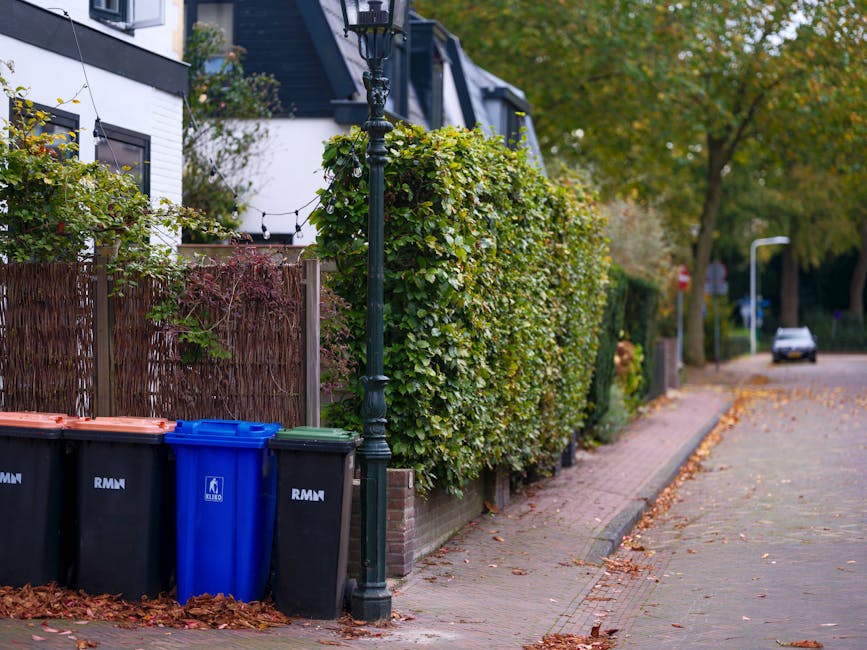
Camden council rules for garden waste and gardeners in Holborn
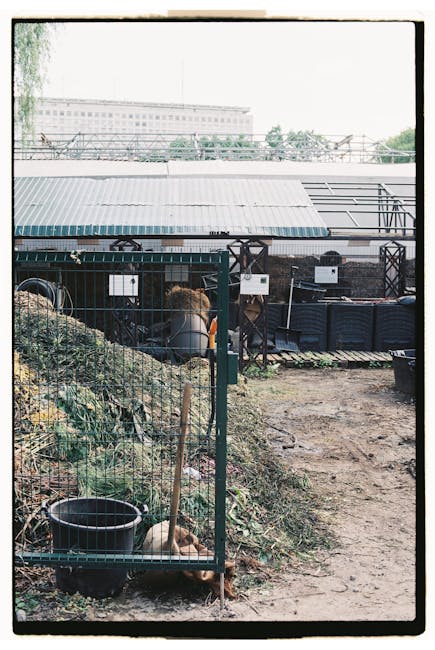
Garden work in Holborn sounds simple until the waste starts piling up: cuttings in black sacks, branches leaning against a wall, a heap of soil after a tidy-up, and a neighbour asking whether that pile can stay there until Monday. That is where Camden council rules for garden waste and gardeners in Holborn matter. The rules affect how you sort, store, move, and dispose of garden waste, and they also shape how professional gardeners plan a job from start to finish.
If you are a homeowner, tenant, landlord, or local gardener, understanding the basics can save time, reduce mess, and help you avoid awkward issues with bins, collections, fly-tipping concerns, or complaints from residents. Truth be told, most garden jobs in London run more smoothly when the waste plan is decided before the first hedge is trimmed. This guide breaks everything down in plain English, with practical steps, useful comparisons, and a few realistic examples from day-to-day garden work in the area.
Why Camden council rules for garden waste and gardeners in Holborn Matters
Holborn sits in a part of London where space is tight, kerbside access can be awkward, and even a small amount of waste can become a big problem if it is left in the wrong place or for the wrong length of time. Garden waste is not just "green stuff". It may include grass cuttings, hedge trimmings, leaves, branches, soil, old plants, turf, timber, and sometimes mixed rubbish from a clearance job. Different materials need different handling, and that matters to both residents and gardeners.
For gardeners, the main issue is not only disposal. It is planning. If you know how Camden expects garden waste to be presented and moved, you can work more efficiently, reduce repeat visits, and keep the site tidy. For residents, it means fewer surprises and a better chance of getting the job done cleanly first time. And let's face it, no one wants a van parked half on the pavement while a pile of cuttings slowly takes over the front garden.
There is also a trust angle here. A professional gardener who understands local waste handling feels more reliable, more organised, and more careful with a client's property. That kind of reassurance matters when you are hiring someone to work around fencing, paving, lawns, and trees. If you are comparing service styles, pages like garden maintenance, garden clearance, and gardening services can help show how waste management fits into the wider job, not just the visible tidying.
How Camden council rules for garden waste and gardeners in Holborn Works
In practical terms, the process usually comes down to three things: what the waste is, how much there is, and how it is collected or removed. Garden waste should generally be separated from general household rubbish, and mixed waste often costs more time and effort to sort. That sounds obvious, but in real life, people often toss in broken plant pots, bits of old timber, and general junk because it is all in the same corner of the garden. Then the job becomes messier than it needed to be.
For local gardeners, the best approach is to treat waste handling as part of the job specification. If pruning is heavy, branches may need bundling. If there is a lawn cut, grass should be bagged or contained neatly. If there is a full clearance, the team may need to separate green waste from non-green materials. Where soil or rubble is involved, the handling can become more like a light clearance than a routine green-waste collection.
In Holborn, access can shape everything. Narrow entrances, basement gardens, shared halls, and street parking all affect how quickly waste can be moved out. A gardener who understands this will usually plan the sequence carefully: cut back, gather, bag, move, load, and final sweep. It is not glamorous. It is just the difference between a neat result and a job that looks half-finished.
For clients, a useful question is simple: what exactly will happen to the waste when the work is done? If the answer is vague, you may end up with bags left behind or an extra collection arrangement you did not expect. If the answer is clear, the whole day tends to run calmer.
Key Benefits and Practical Advantages
Getting garden waste handling right brings more benefits than people first expect. The obvious one is cleanliness. The less obvious one is momentum. When waste is managed properly, the rest of the project tends to flow better. The gardener is not constantly stepping around piles, and the client is not wondering where everything will end up.
- Cleaner finish: the garden looks genuinely complete rather than just cut back.
- Less disruption: careful loading reduces mess on paths, driveways, and shared access areas.
- Lower risk of complaints: tidy handling helps avoid issues with neighbours or building managers.
- Better recycling outcomes: separated green waste is easier to process responsibly.
- More efficient labour: sorted waste saves time on site, which can reduce wasted effort.
There is also a confidence benefit. When a gardener explains the waste plan clearly, you can tell they have done this kind of work before. A good trade professional does not improvise with fly bags and hope for the best. They think ahead, especially in urban gardens where one wrong move can disturb a shared hallway or leave soil marks on pale paving.
If you are comparing longer-term support, lawn care, lawn mowing, and hedge trimming services are often more efficient when waste collection is built into the routine rather than treated as a last-minute add-on.
Who This Is For and When It Makes Sense
This topic matters to a surprisingly wide group of people. Some need it because they are about to book a one-off clearance. Others need it because they manage regular maintenance and want to keep everything tidy and compliant. In our experience, the people who care about this most are often the ones who have already dealt with a messy aftermath once before.
- Homeowners who want a tidy, manageable garden without stress over waste left behind.
- Tenants who need to return a garden in a decent condition at the end of a tenancy.
- Landlords and managing agents who need predictable, low-drama garden upkeep.
- Local gardeners who want to work efficiently and avoid avoidable disposal problems.
- Busy professionals who do not have time to drive sacks of cuttings around London on a Saturday morning.
It makes the most sense when there is more than a handful of trimmings involved. A few handfuls of grass can be simple enough, but once you get into hedge reductions, overgrown borders, or seasonal clear-outs after wet weather, waste quickly becomes part of the job itself. The same goes for light landscaping work or installations where packaging, offcuts, and old materials need clearing too. If the job includes structural changes, pages such as landscaping, landscape gardening, and patio cleaning often sit alongside a waste plan.
Step-by-Step Guidance
Here is a practical way to handle garden waste and council expectations without overcomplicating it. Nothing fancy. Just a method that works on real jobs.
- Identify the waste type. Separate green waste from soil, rubble, timber, and general rubbish. This is the first and most important step.
- Estimate the volume. A quick visual check helps decide whether the waste can be contained in bags, loaded loose, or needs a bigger clearance plan.
- Check access early. Measure gate widths, stair access, and the route to the front of the property. A narrow side passage can turn a ten-minute task into half an hour.
- Choose the collection method. Decide whether waste will be placed for a service collection, taken away by the gardener, or stored temporarily in a safe, tidy manner.
- Protect the property. Use sheeting, careful lifting, and controlled movement through hallways or shared spaces.
- Clear and sweep. The last 10% matters. Remove loose leaves, twig fragments, soil marks, and any bag spills.
- Confirm the outcome. Make sure the site is left in the agreed condition and that no bags or offcuts remain unexpectedly.
If you are hiring help, ask the gardener how they handle waste before the job starts. A good answer sounds specific, not vague. You want to hear about sorting, loading, collection, and final clearance. Not just "we'll sort it out later". Later is often where problems grow legs.
Expert Tips for Better Results
Small habits make a big difference with garden waste in Camden. These are the kinds of practical touches that reduce friction on site.
- Book pruning and clearance together if the garden is badly overgrown. It avoids double handling.
- Keep green waste separate from bulky waste right from the start. Mixed piles slow everything down.
- Use breathable bags where appropriate for fresh clippings so they do not turn into wet, heavy slush.
- Avoid filling bags too tightly; overpacked sacks tear on stairs or corners. It happens more than you'd think.
- Plan around weather. After a wet morning, cuttings and soil are heavier, messier, and harder to move cleanly.
- Protect shared areas with a route plan, especially in flats, mansion blocks, or mews-style properties.
A simple, almost old-fashioned trick still works: clear the waste in stages instead of waiting for one enormous pile at the end. It keeps the site safer and calmer. Also, if you can see the pathway as you work, you are less likely to step on hidden clippers, stray twigs, or that one bit of hosepipe you forgot about. Gardening can be oddly punishing that way.
For ongoing work, a combination of garden maintenance and recycling and sustainability practices usually produces the neatest long-term results. The garden stays manageable, and the waste becomes less of a crisis each time.
Common Mistakes to Avoid
Most problems with garden waste are not dramatic. They are small oversights that snowball. The good news is that they are easy to avoid once you know what to look for.
- Leaving mixed waste in one pile. Green waste, soil, wood, and rubbish should not all be treated the same.
- Assuming a council bin will take everything. It usually will not, especially for bulky or heavy garden material.
- Forgetting about access constraints. A big pile is one thing; carrying it through a narrow passage is another.
- Ignoring wet weight. A bag of damp hedge cuttings can be much heavier than it looks.
- Letting waste sit too long. It can block light, attract pests, and become a nuisance very quickly.
- Not asking who is responsible. If the gardener and client both assume the other side is handling disposal, things get messy.
One common scene: a client says "just take the rubbish away" and the gardener arrives to find old compost bags, broken pots, a rusty barbecue, and a pile of prunings all blended together. That is not a garden waste job anymore; that is a sorting exercise. Slightly different day.
Tools, Resources and Recommendations
You do not need a huge kit to manage garden waste well, but the right tools make the work cleaner and safer. For many Holborn properties, practicality beats size every time.
- Heavy-duty waste sacks for cuttings, leaves, and light debris.
- Tarpaulins or sheets to gather waste before moving it.
- Gloves and sturdy footwear for handling rough or sharp material.
- Secateurs, loppers, and saws for breaking down larger branches before removal.
- Wheelbarrows or tubs where access allows, to cut down on repeated carrying.
- Rakes and brooms for the final sweep, which honestly is where the garden starts to look finished.
For customers wanting a more complete service, it often helps to combine clearance with specialist work. For example, trees and larger shrubs may need attention first, which is where tree surgery or tree lopping and removal becomes relevant. If your garden includes old borders, broken panels, or tired structures, fencing or decking services may also affect how waste is handled on site.
For service planning, it is also worth reviewing practical information such as pricing and quotes, health and safety policy, and insurance and safety. Those pages help set expectations around work standards and site protection.
Law, Compliance, Standards, or Best Practice
Garden waste handling touches on environmental responsibility, nuisance prevention, and safe working practice. Without pretending every small garden job is a legal puzzle, there are a few standards worth keeping in mind.
First, waste should be handled responsibly and not dumped in a way that creates a nuisance or an environmental issue. Second, gardeners working on someone else's property should think about safe lifting, safe tools, and tidy working areas. Third, if a job involves taking waste away, it should be done in a way that is organised and traceable in practice, even if the client only sees the finished result.
Best practice usually means:
- sorting waste rather than mixing everything together;
- keeping paths and shared areas clear;
- avoiding blocked entrances or fire exits;
- working with appropriate protective equipment;
- being clear about what is included in the service;
- using reasonable care around neighbours and nearby properties.
That last point is easy to miss. In a busy part of London, a noisy load-out at the wrong time or waste left near a communal gate can create friction fast. Better to be the calm, tidy person on the street than the one everyone remembers for the wrong reason. No contest there.
Options, Methods, or Comparison Table
There is more than one way to deal with garden waste in Holborn. The right method depends on the size of the job, the mix of materials, and how much access you have.
| Method | Best for | Advantages | Limitations |
|---|---|---|---|
| Bag and place for collection | Smaller amounts of green waste | Simple, tidy, easy to coordinate | Can be slow if access is awkward or waste is heavy |
| Gardener takes waste away | Routine maintenance and moderate clearance | Convenient for the client, cleaner finish | Needs clear agreement on what is included |
| Full clearance service | Overgrown gardens, mixed debris, end-of-tenancy jobs | Fastest route to a reset garden | Usually requires more sorting and planning |
| Staged removal over multiple visits | Large or complicated gardens | Reduces disruption and keeps the site manageable | Takes longer overall |
For a small courtyard with light pruning, a straightforward bag-and-remove approach often works best. For a deeper reset with mature shrubs, old debris, and patchy lawn areas, a staged clearance makes more sense. If you are not sure, a quick discussion before the job can save everyone a headache later.
Case Study or Real-World Example
A typical Holborn scenario goes like this. A landlord has a compact rear garden behind a period property. The border has become congested, the lawn is patchy, and a hedge has grown out over the path. Nothing catastrophic, just one of those gardens that quietly gets away from you over a few seasons.
The first visit focuses on pruning, hedge reduction, and clearing green waste into manageable loads. The gardener checks access through the side passage, lays down protection where the paving is delicate, and keeps the cuttings moving rather than leaving them to accumulate. Because the site is tight, the team works in sections instead of cutting everything first and collecting later.
The result is not just a tidier garden. It is a garden that feels usable again. The path opens up, the lawn can breathe, and the landlord avoids a second visit to remove forgotten waste. That is the real win. Quietly efficient, no drama, and the kind of outcome people appreciate when they are standing with a cup of tea looking out the back window at 8 a.m.
If the job had included more than pruning, such as new planting, layout changes, or fresh surfaces, the team might also have needed support from landscape gardening or landscaping. That is the point: waste rules are never completely separate from the job itself.
Practical Checklist
Use this before any garden job in Holborn. It keeps things tidy and helps avoid last-minute confusion.
- Confirm what kind of waste the job will create.
- Separate green waste from non-green waste.
- Check access paths, gates, stairs, and parking constraints.
- Agree who is responsible for removal.
- Ask whether the price includes clearance or only labour.
- Protect floors, walls, and paving where needed.
- Use suitable bags, tubs, or sheets for moving waste.
- Keep shared spaces clean during the work.
- Plan for wet weather if the job is outdoors.
- Do a final sweep before signing off the job.
That last step sounds small, but it is often the difference between "nice job" and "why is there still debris by the gate?". You can feel the difference immediately when the area has been properly cleared.
Get a free quote today and see how much you can save.
Conclusion
Camden council rules for garden waste and gardeners in Holborn are really about doing the basics well: sorting waste properly, planning access, working cleanly, and leaving the site better than you found it. For local residents, that means less hassle and fewer surprises. For gardeners, it means smoother jobs, better client trust, and fewer awkward moments with bags, bins, or blocked pathways.
Whether you need simple garden maintenance or a larger clearance, the smartest approach is usually the same: plan the waste first, then do the work. That one habit saves time, reduces mess, and makes the end result feel complete. And in a place like Holborn, where space is at a premium and people notice the details, complete really matters.
If you are getting ready for seasonal pruning, a tidy-up after winter, or a full garden reset, a calm and well-organised waste plan will make the whole experience far easier. One good job has a way of leading to another, after all.
Frequently Asked Questions
What counts as garden waste in Holborn?
Garden waste usually includes grass cuttings, leaves, hedge trimmings, branches, dead plants, weeds, and other organic material from normal gardening work. Soil, rubble, timber, and household rubbish are usually treated differently, so they should not be mixed in unless the collection method specifically allows it.
Can gardeners in Holborn just leave the waste for the council?
Sometimes, but it depends on the collection arrangements and the type of waste involved. A professional gardener should be clear about whether waste will be bagged for collection, taken away as part of the job, or left in a designated place. If that part is unclear, ask before the work starts.
Do I need a special bin for garden waste?
Not always. Some smaller jobs can be managed with sacks or containers, while larger jobs often need a more organised removal plan. The right approach depends on the amount of waste, what it contains, and how easily it can be moved from the property.
What should a gardener do with branches and thicker cuttings?
Thicker branches are usually cut down into smaller pieces so they can be bundled, bagged, or loaded safely. It is better to reduce bulky material on site than to struggle with oversized pieces that snag on gates, stairs, or door frames.
Is garden waste the same as general rubbish?
No, and that distinction matters. Green waste is organic garden material, while general rubbish may include packaging, broken household items, or mixed junk. Keeping them separate helps with disposal, sorting, and overall cleanliness.
How can I avoid garden waste becoming a nuisance to neighbours?
Keep the pile contained, avoid blocking shared access, and remove waste promptly. If you are working near a boundary, it also helps to keep noise, dust, and mess under control. A tidy site usually prevents most complaints before they start.
What happens if a garden is very overgrown?
An overgrown garden usually needs a mix of pruning, cutting back, and staged waste removal. The gardener may need to work in sections so that waste does not overwhelm the site. In those cases, a full clearance style approach is often more practical than a simple maintenance visit.
Can soil and turf go in the same load as hedge clippings?
They can sometimes be handled together, but it is usually better to separate heavier material like soil and turf from lighter green waste if possible. Soil adds weight quickly and changes how the load has to be handled. That matters more than people expect.
How do I know if a gardening quote includes waste removal?
Ask directly. A clear quote should explain whether waste removal, loading, and disposal are included or charged separately. If a quote seems vague, it is worth getting it clarified in writing before any work begins.
Why does waste handling matter so much for garden maintenance?
Because maintenance is only truly complete when the leftovers are gone. You can have a neatly trimmed hedge or a freshly cut lawn, but if the clippings are still scattered around, the job does not feel finished. Waste handling is part of the result, not an extra detail.
Which garden services help most with waste-heavy jobs?
For heavy waste or a full reset, garden clearance is often the most relevant service. For ongoing care, garden maintenance and hedge trimming may be more suitable. If trees are part of the issue, tree-focused work may be needed too.
What is the best way to prepare a Holborn property for garden waste removal?
Clear access, identify the waste types, and decide where the bags or piles will be placed before the team starts. If the property has a narrow passage, shared entrance, or limited parking, those details should be discussed early. A little preparation saves a lot of shuffling later.